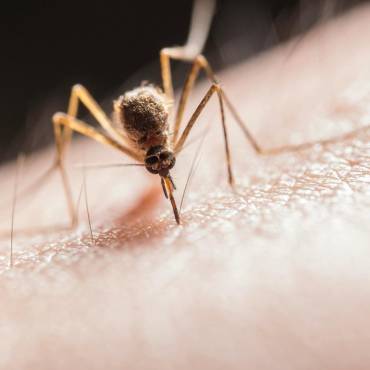

Connecticut yards do not follow a neat pest calendar. A mild March afternoon can wake adult ticks, a wet stretch in May can create mosquito breeding sites, and a warm fall can keep biting activity going well beyond Labor Day. That is why the best time to think about mosquito and tick treatments in Connecticut is usually before the problem becomes obvious.
A seasonal plan works differently from a last-minute reaction. It starts by identifying where mosquitoes rest, where ticks wait for hosts, and how weather, shade, standing water, leaf litter, stone walls, shrubs, and wooded edges shape activity on your property. Professional service can then be matched to the season, the landscape, and how your family uses the yard.
This guide explains when to begin, what changes from spring through fall, and how Mosquito Stop combines mosquito barrier spray, tick control services, and natural treatment options to help homeowners across Connecticut enjoy their outdoor spaces with fewer bites.
Why Treatment Timing Matters in Connecticut
Mosquitoes and ticks overlap, but they do not follow the same seasonal pattern. Ticks may be active during cool months whenever temperatures rise above freezing, while mosquito populations usually build after sustained warmth and rainfall create suitable breeding conditions. Waiting until midsummer can mean starting after both pests have already established themselves in the yard.
Connecticut health agencies track mosquito activity and mosquito-borne viruses throughout the warm season, while Lyme disease remains the state’s most commonly reported tick-borne illness. Yard treatments are not a substitute for personal protection, but the timing of professional service can reduce the number of pests around the places where people, children, and pets spend time.
A Seasonal Mosquito and Tick Treatment Calendar
| Season | What Is Happening | Homeowner Priorities | Treatment Focus |
| Late Winter to Early Spring | Adult blacklegged ticks may become active on warmer days. | Remove leaf litter, inspect wooded edges, clean stone walls and brush lines. | Evaluate tick pressure and schedule early-season service. |
| Mid to Late Spring | Tick activity increases and mosquitoes begin emerging after warm, wet weather. | Clear gutters, empty containers, repair drainage, trim dense vegetation. | Begin a combined tick and mosquito plan before outdoor use increases. |
| Summer | Mosquito populations rise quickly; small tick nymphs are difficult to spot. | Maintain source reduction, perform tick checks, keep recreation areas tidy. | Continue scheduled barrier treatments at the recommended interval. |
| Early Fall | Mosquitoes can remain active until colder weather; adult ticks become active again. | Remove fallen leaves, maintain property edges, monitor pets and family. | Continue protection rather than stopping immediately after summer. |
| Late Fall and Warm Winter Days | Mosquito activity drops, but some ticks may remain active above freezing. | Keep leaves and brush away from high-use areas; continue tick awareness. | Ask whether targeted late-season tick service is appropriate. |
Early Spring: Start With Tick Prevention
For many Connecticut properties, tick prevention should come first. Adult blacklegged ticks can remain active in the fall, on warmer winter days, and again in early spring. By the time lawns are fully green, ticks may already be waiting on grasses, low shrubs, leaf litter, and the transition zone between lawn and woods.
An early inspection is especially valuable if your property has wooded borders, stone walls, deer traffic, brush piles, shaded groundcover, or pets that move between the yard and the house. Mosquito Stop’s yard tick spray program targets leafy edges, shrubs, grass, stone walls, and other areas where ticks are likely to rest.
- Remove leaf litter from patios, play areas, walkways, and the edge of the lawn.
- Trim brush and low vegetation to reduce humid hiding places.
- Create separation between frequently used lawn areas and wooded or overgrown zones.
- Check pets and people after time outside, even before mosquito season begins.
Late Spring: Begin Mosquito Control Before Populations Peak
Mosquito prevention becomes more urgent as nights stay warmer and rain leaves water in gutters, toys, tarps, flowerpot saucers, birdbaths, drains, and low areas of the lawn. A small container can support a new generation of mosquitoes, so source reduction should begin before residents notice heavy biting pressure.
Mosquito Stop’s professional mosquito control is applied to outdoor surfaces and the cool, dark, damp areas where mosquitoes commonly rest, including shrubs, trees, under decks, around sheds, and along the property perimeter. The company recommends its barrier spray on a 21-day schedule for the best continuing results.
Starting before the first major cookout or pool weekend provides a better foundation than waiting until mosquitoes are already disrupting the yard. Early scheduling also gives the technician time to identify conditions that may need attention between visits.
Summer: Maintain the Treatment Cycle
Summer protection depends on consistency. Rain, irrigation, rapid plant growth, and warm temperatures continually change the yard. Even after an effective treatment, mosquitoes can arrive from neighboring properties, and new breeding water can appear after a single storm.
A seasonal program is designed to maintain pressure on mosquito populations instead of allowing them to rebound between occasional sprays. Homeowners still play an important role by emptying water, keeping gutters open, mowing regularly, and avoiding overwatering.
- Walk the yard after rain. Tip, drain, or refresh anything holding water.
- Watch shaded vegetation. Dense shrubs and under-deck spaces can become mosquito resting zones.
- Keep treatment appointments. Skipping the interval can create an opening for populations to recover.
- Continue personal protection. Use EPA-registered repellent, protective clothing, and routine tick checks as appropriate.
What About Natural Mosquito and Tick Treatments?
Some homeowners prefer an essential-oil-based approach for their property. Mosquito Stop offers natural mosquito and tick sprays made from organic-source ingredients such as cedar, rosemary oil, thyme, and peppermint. The service page notes that the natural barrier option requires more frequent application, generally every three weeks.
Natural does not mean maintenance-free or automatically appropriate for every person, pet, plant, or property. Discuss your goals, sensitivities, yard conditions, and re-entry instructions with the provider, and follow all treatment directions.
Fall: Do Not Stop Protection Too Early
The first cool evening is not the end of pest season. Mosquitoes can remain active during warm fall weather, especially after rain, while adult blacklegged ticks become more active again. Fallen leaves also create moist shelter along property edges.
Continue yard maintenance and ask when your final mosquito treatment should occur based on local weather and your property. If your yard borders woods, receives deer traffic, or is used heavily by pets, fall tick control may remain important after mosquito activity declines.
Planning a Wedding, Party, or Outdoor Event?
A special event requires different timing from a full seasonal program. Mosquito Stop states that it can apply a treatment two days before a picnic, pool party, wedding, or other outdoor event and recommends contacting the company at least one week in advance to reserve the service.
Event treatment works best when the property is also prepared: remove standing water, mow and trim vegetation, clear toys and furniture from treatment areas, and tell the provider about ponds, gardens, pets, or sensitive spaces. Review the company’s mosquito and tick control FAQ before scheduling.
Single Treatment or Seasonal Plan?
The right service depends on how often you use the yard and how much pest pressure the property experiences.
- A single treatment may be useful before an event or when a short-term need arises.
- A seasonal mosquito plan provides recurring applications through the active months.
- A combined mosquito and tick plan addresses different habitats and overlapping seasonal risks.
- A natural treatment plan may suit homeowners who prefer an essential-oil-based service and can accommodate the required schedule.
Homes near wetlands, woods, drainage areas, dense landscaping, or deer corridors may need a different plan from an open, sunny property. A professional inspection is more useful than choosing solely by lot size or calendar date.
What to Expect From Professional Service
A technician should evaluate how the property is used, identify likely resting and breeding zones, and treat the appropriate perimeter and vegetation. Mosquito Stop notifies customers before scheduled treatment and sends confirmation after service. Its mosquito barrier service also notes that homeowners do not necessarily need to be home during treatment.
Before the visit, unlock gates, pick up toys, secure pets, close windows, and move food or outdoor dining items as instructed. After treatment, follow the provider’s guidance about drying time and when people and pets may re-enter treated areas.
Local Timing Across Connecticut
Conditions can differ between coastal communities, inland suburbs, wooded lots, and urban neighborhoods. Mosquito Stop serves homeowners throughout New Haven, Fairfield, Middlesex, and Hartford counties, including communities such as New Haven, North Haven, West Haven, Hamden, Hartford, West Hartford, Milford, Fairfield, Trumbull, Clinton, and surrounding towns.
Check the company’s Connecticut mosquito and tick service areas or request a property-specific recommendation rather than relying on a generic statewide date.
Build Protection Before the Bites Begin
The most effective seasonal plan begins with the pest that arrives first, adjusts as mosquito pressure rises, and continues long enough to cover warm fall weather and adult tick activity. For many Connecticut homeowners, that means assessing tick risk in early spring, starting mosquito service before summer populations peak, and maintaining the yard throughout the season.
Mosquito Stop offers single treatments, seasonal packages, event treatments, conventional barrier sprays, and natural options. To build a plan around your property, location, and outdoor schedule, request a free mosquito and tick control quote before the season is fully underway.
Frequently Asked Questions
When should mosquito treatments start in Connecticut?
Many properties benefit from starting in mid to late spring, before mosquito populations build after sustained warm and wet weather. The exact date depends on temperature, rainfall, standing water, shade, and local conditions. Homeowners with early outdoor events may need service sooner.
When should tick treatments start in Connecticut?
Tick prevention may begin earlier than mosquito control because adult blacklegged ticks can be active in early spring and during warm winter days. Properties with wooded edges, leaf litter, stone walls, deer activity, or pets should consider an early-season evaluation.
How often should mosquito barrier spray be applied?
Mosquito Stop recommends applying its mosquito barrier spray every 21 days for the best continuing results. Natural barrier treatments also require regular application, generally every three weeks. Your provider may adjust timing for weather, property conditions, and the treatment selected.
This article provides general pest-prevention information. Always follow product labels, professional treatment instructions, and guidance from public-health authorities.