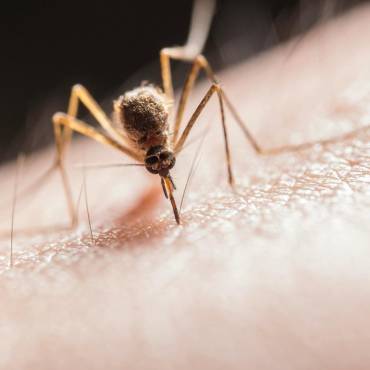
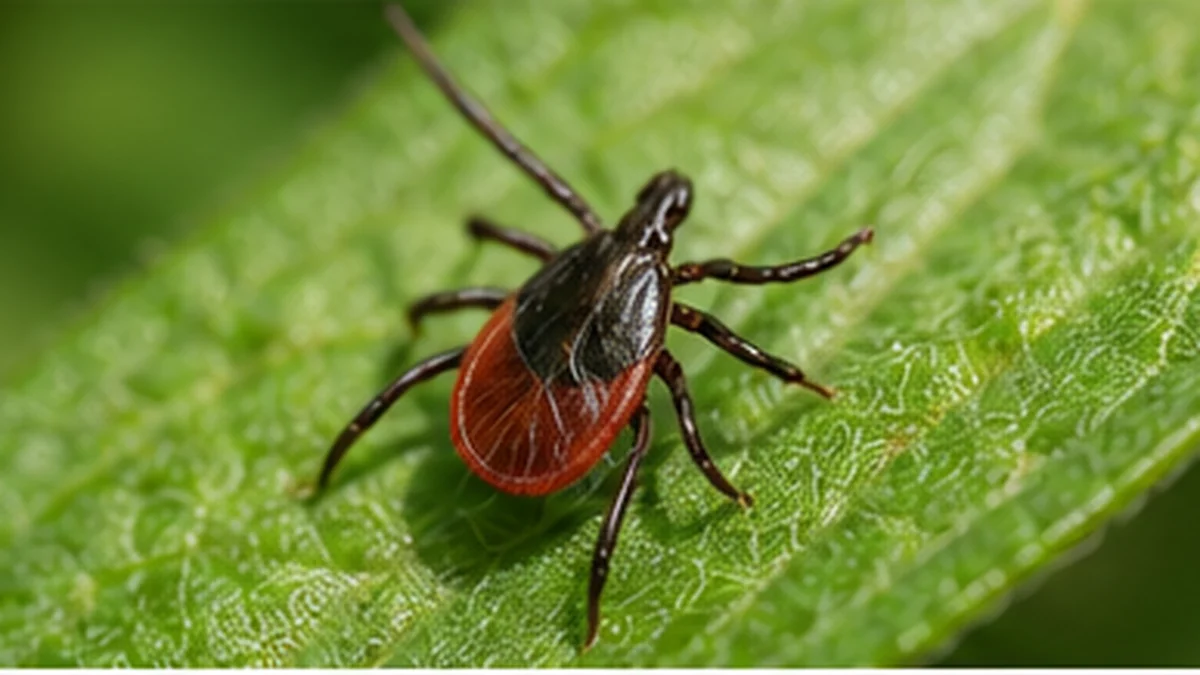
A beautiful Connecticut yard can contain several very different environments within a few steps of one another: a sunny lawn, a shaded stone wall, damp leaf litter under shrubs, a woodpile, a wooded edge, a children’s play area, and the narrow transition zone where lawn meets brush. For ticks, those details matter.
Tick-safe landscaping in Connecticut is not about turning a property into bare pavement. It is about making the areas where people and pets spend time less hospitable to ticks while concentrating professional control in the zones where ticks are most likely to be found.
That approach fits closely with Mosquito Stop’s tick control service, which targets leafy property edges, stone walls, grass and shrubs rather than treating every square foot of a yard as though tick risk were identical.
Why Yard Edges Matter So Much for Tick Control
Ticks do not fly or jump across a property. They rely on hosts and vegetation, and they are often associated with shaded, humid habitats where they are protected from drying out. In residential yards, the transition between maintained lawn and woods or brush can become an important exposure zone.
The CDC recommends several practical yard modifications, including removing leaf litter, clearing tall grass and brush around homes and lawn edges, mowing regularly, creating a 3-foot-wide barrier of wood chips or gravel between lawn and wooded areas, stacking wood neatly in a dry location, and keeping play equipment, decks and patios away from yard edges and trees.
These changes do not make a yard “tick-proof.” They reduce attractive habitat and create clearer boundaries between higher-use family areas and higher-risk vegetation.
1. Remove Leaf Litter Where the Lawn Meets the Woods
Leaf litter holds moisture and creates protected habitat along shaded property edges. Rake accumulated leaves away from patios, play areas, frequently used paths, stone-wall edges and the border where mowed lawn meets brush.
You do not need to strip every natural area bare. Focus first on the places where people, dogs and children regularly pass from maintained yard into vegetation.
2. Clear Tall Grass and Dense Brush Around High-Use Areas
Tall grass and unmanaged brush create additional cover and can place people directly against vegetation while gardening, retrieving a ball, walking a pet or using a shed. Keep the transition around high-use areas open enough that you can see and maintain it.
This also makes professional tick treatment more targeted because the technician can identify the property edge rather than spraying through an undefined wall of overgrowth.
3. Create a 3-Foot Dry Buffer at the Wooded Edge
The CDC recommends placing a 3-foot-wide barrier of wood chips or gravel between lawns and wooded areas. The strip creates a clear transition between recreational lawn and higher-risk habitat.
Treat the barrier as both a landscaping feature and a behavioral boundary. Children can be taught that the maintained side is the play zone and the brush side is where extra tick precautions are needed.
4. Mow the Lawn Regularly—but Do Not Stop There
Shorter, maintained grass reduces one kind of tick habitat, but mowing alone is not a complete tick-control plan. If leaf litter, brush, stone walls and wooded edges remain immediately beside seating or play areas, the property can still have important tick habitat.
Think in zones rather than blades of grass: maintained lawn, transition strip and wooded/brush edge.
5. Move Play Equipment and Seating Away From the Edge
The CDC recommends keeping playground equipment, decks and patios away from yard edges and trees. For an existing yard, complete relocation may not be realistic, but even increasing separation from dense brush can reduce how often children and adults brush against tick habitat.
Place new swing sets, sandboxes, fire pits and outdoor seating in sunny, maintained areas when the property layout allows.
6. Stack Firewood Neatly in a Dry Area
Woodpiles can create dark protected spaces and can also attract rodents. CDC guidance specifically recommends stacking wood neatly and in a dry area. Keep the pile organized and away from children’s play zones, patios and frequently traveled paths.
If a pile has become surrounded by leaves and brush, cleaning the surrounding area can make the space easier to inspect and maintain.
7. Give Stone Walls and Shrub Borders Extra Attention
Stone walls are common in Connecticut landscapes and are specifically named among the areas Mosquito Stop targets during professional tick treatment. Clear heavy leaf accumulation and uncontrolled vegetation along frequently used sections of wall.
Shrubs should be maintained so that branches do not force people to brush through foliage along walkways, driveway edges or access paths.
8. Reduce Unnecessary Wildlife Attractants Near Family Areas
Ticks can arrive on wildlife hosts. You cannot remove wildlife from Connecticut, nor should that be the goal, but you can avoid creating unnecessary cover and feeding opportunities directly beside patios and play zones.
Keep trash secured, maintain woodpiles, remove brush piles that are no longer serving a purpose, and discuss persistent deer or rodent activity with an appropriate wildlife or pest-management professional when it becomes a property issue.
9. Pair Habitat Modification With Targeted Tick Treatment
Landscaping changes are one layer of control. On properties with wooded edges, stone walls, frequent tick encounters or high family/pet use, professional treatment can target the areas where ticks live.
Mosquito Stop’s tick barrier spray focuses on leafy areas at the property edge, stone walls, grass and shrubs. The company notes that ticks can remain active whenever conditions are above freezing, so tick awareness should not automatically end with the first frost.
Think of the Yard as Three Tick-Risk Zones
|
Zone |
Typical Features |
Management Priority |
|
Lower-exposure family zone |
Sunny maintained lawn, patio, play area, frequently used paths. |
Keep vegetation controlled, perform tick checks after outdoor activity and maintain separation from brush. |
|
Transition zone |
Wood-chip or gravel buffer, lawn edge, trimmed shrubs, access paths. |
Keep it dry, visible and free of heavy leaf litter; use it as a clear boundary. |
|
Higher-risk edge habitat |
Woods, brush, leaf litter, stone walls, shaded groundcover and animal travel areas. |
Limit unnecessary contact and concentrate professional inspection/treatment where appropriate. |
What a Professional Tick Treatment Should Focus On
A useful tick-control visit should begin with the property layout. The technician needs to know where the woods begin, where children and pets play, where stone walls and shrubs are located, and which areas should not be treated.
Mosquito Stop describes its service as targeting leafy property edges, stone walls, grass and shrubs. That targeted approach works best when the homeowner has already reduced leaf piles, defined the lawn edge and made heavily used spaces easy to identify.
Wooded and brush edges: Where maintained property meets dense vegetation.
Stone walls: Especially shaded stretches with leaf litter and animal activity.
Shrub borders: Particularly around paths, play areas and sitting zones.
Tall-grass or transition areas: Areas that cannot be maintained as short lawn.
Pet-use zones: Places dogs frequently patrol, rest or pass near wooded edges.
Tick Checks Still Matter After You Improve the Yard
Landscaping and professional treatment reduce exposure opportunities; they do not eliminate the need for personal prevention. The CDC recommends checking clothing, gear, pets and the body for ticks after spending time outdoors and showering soon after returning indoors.
For activities in tick habitat, CDC also recommends EPA-registered repellents and permethrin-treated clothing or gear used according to label directions. Permethrin products intended for clothing and gear should not be applied directly to skin.
Mosquito Stop’s Bugs & You tick resources provide additional links on tick biology, tick-borne diseases and Connecticut tick information.
Do Not Assume Winter Means Zero Tick Risk
Connecticut homeowners often think of ticks only as a summer problem. Mosquito Stop notes that some ticks can remain active whenever temperatures stay above freezing and that activity can continue after the first frost.
This does not mean every yard needs the same treatment every month. It means the landscaping practices—clean edges, managed leaf litter, maintained woodpiles and clear play zones—continue to be useful outside peak summer.
A Monthly Tick-Safe Yard Checklist
Walk the wooded edge. Remove heavy leaf accumulation and note areas where brush has grown into the lawn.
Inspect the dry buffer. Refresh wood chips or gravel where the transition has filled with soil, weeds or leaves.
Check paths and play areas. Make sure people do not have to brush through shrubs or tall vegetation.
Look around stone walls and woodpiles. Remove clutter and keep frequently used zones visible.
Monitor pet routes. Notice where dogs enter brush or investigate wildlife travel paths.
Record tick encounters. Repeated tick findings in one area can help the technician focus the next inspection or treatment.
Combine Landscaping and Tick Control for a More Usable Yard
The goal of tick-safe landscaping is not to sterilize the outdoors. It is to create a yard where the family’s main activity zones are more open, more maintainable and more clearly separated from dense tick habitat.
For Connecticut properties with wooded edges or repeated tick encounters, combine those changes with professional tick control. Mosquito Stop serves communities across New Haven, Fairfield, Middlesex and Hartford Counties; homeowners can review the service areas or request a quote.
Frequently Asked Questions
Does keeping the grass short eliminate ticks from a Connecticut yard?
No. Regular mowing is one CDC-recommended yard practice, but ticks can also be associated with leaf litter, brush, wooded edges, stone walls and wildlife activity. A stronger plan combines mowing with edge management, leaf removal, separation of play areas and targeted control where needed.
How wide should a wood-chip or gravel tick barrier be?
The CDC recommends a barrier approximately 3 feet wide between lawns and wooded areas. Keep the strip visible and relatively free of leaf litter so it continues to function as a clear transition between recreational lawn and brush or woods.
Can ticks still be active after the first frost in Connecticut?
Yes. Mosquito Stop notes that some ticks can remain active whenever temperatures are above freezing, so homeowners should continue basic tick checks and yard awareness during mild periods even after the first frost.
Tick-bite prevention guidance is educational and does not replace medical or veterinary advice. Follow pesticide labels and professional treatment instructions.