A swimming pool can be the center of a Connecticut backyard without being the place where most mosquitoes are coming from. In many yards, the bigger problems are nearby: water collecting on a pool cover, toys and planters after rain, clogged gutters, shaded shrubs beside the patio, under-deck spaces, and other damp resting zones. Effective mosquito control around pools in Connecticut works best when the water, landscape, and high-use areas are managed together.
Mosquito Stop provides professional mosquito and tick control across New Haven, Fairfield, Middlesex, and Hartford counties, including recurring barrier treatments and one-time service for outdoor gatherings.
A Maintained Pool Is Different From Standing Water Around the Pool
Connecticut public-health guidance recommends keeping swimming-pool filtration systems in good working order and cleaning and chlorinating pools. A maintained, circulating pool is very different from neglected water sitting in a cover, kiddie pool, toy, bucket, planter, or clogged gutter.
CDC guidance recommends emptying, scrubbing, turning over, covering, or discarding water-holding items at least once a week. That includes pools and poolside items that can hold small amounts of water.
The Poolside Mosquito Checklist
| Pool / Patio Area | What to Check | Why It Matters |
| Pool cover | Rainwater collecting in folds or low spots | Water on top of a cover can become a mosquito breeding site even when the pool itself is maintained. |
| Toys and inflatables | Water trapped inside or under toys, buckets, floats, and storage bins | Small containers can hold enough water for mosquito development. |
| Planters and saucers | Saucers, decorative pots, and drip trays that stay wet | Shaded water near seating areas can support breeding. |
| Gutters / downspouts | Clogs or slow drainage near the patio or pool deck | Roof gutters are easy to overlook and can retain water after storms. |
| Shrubs / under-deck areas | Dense, shaded vegetation and damp protected spaces | Adult mosquitoes often rest in cool, dark, humid areas during the day. |
Professional Treatment Should Focus on the Landscape, Not the Swimming Water
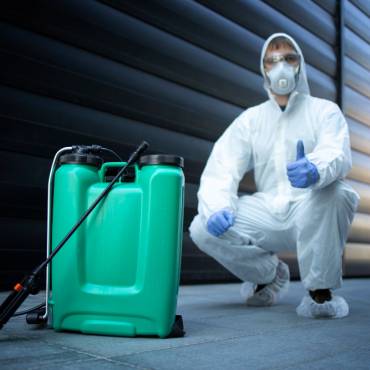
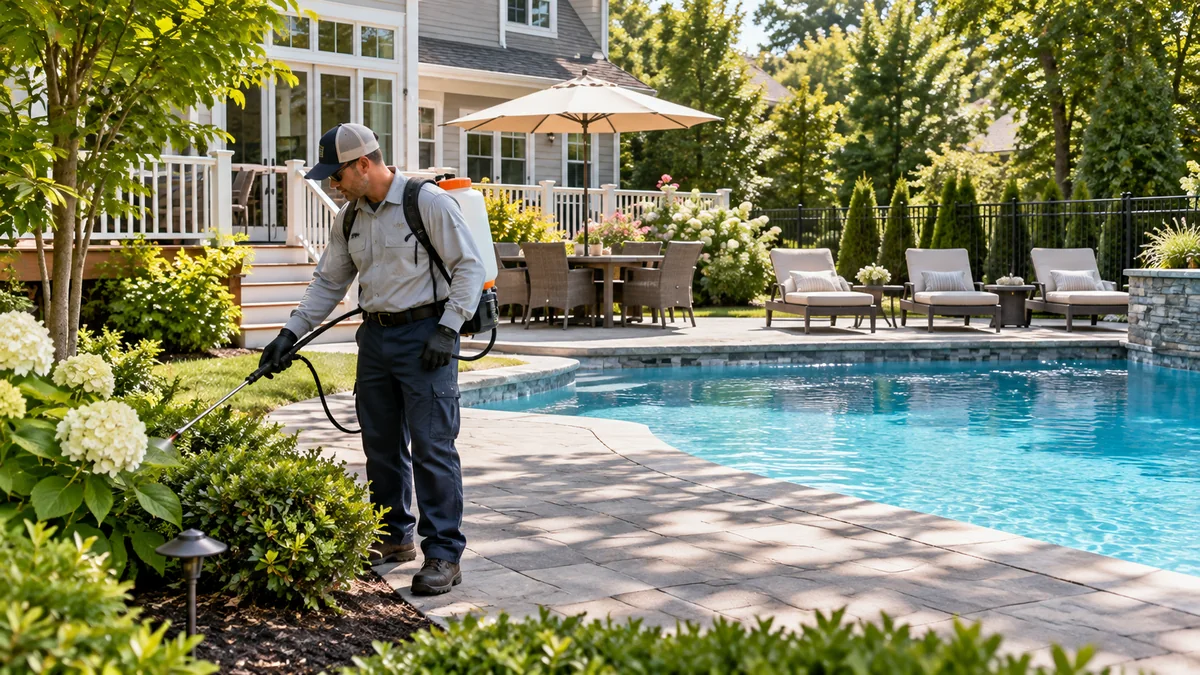
Mosquito Stop describes its barrier service as an outdoor surface treatment applied to the perimeter and to places where adult mosquitoes rest, including shrubs, trees, under decks, and around sheds. That is different from treating swimming-pool water.
EPA safety guidance says outdoor pesticide applications should be kept from drifting or running off into pools and neighboring areas. The product label and the licensed technician’s instructions control exactly where a treatment may be applied.
See Mosquito Stop’s mosquito barrier spray service for how the company describes its treatment zones and 21-day service interval.
Pool Covers Need Their Own Mosquito Plan
A covered pool is not automatically mosquito-proof. Both CDC and Connecticut health guidance specifically warn about water that accumulates on pool covers.
Drain or remove rainwater from the cover as appropriate for the cover system.
Check low spots after storms rather than waiting until the next swim day.
Keep nearby containers and toys inverted or stored where they cannot collect water.
Follow manufacturer instructions for pool-cover pumps or drainage systems.
Patios Create High-Use Zones That Deserve Extra Attention
A patio concentrates people in one place, often next to landscape beds, shrubs, umbrellas, furniture, decks, and containers. That makes the areas immediately around the seating zone important even if the lawn itself is sunny and dry.
Before professional service, show the technician where the family spends time: outdoor dining areas, fire pits, lounges, play spaces, dog runs, pool gates, and shaded seating. The goal is to match treatment to how the property is actually used.
Do Outdoor Fans Help on a Patio?
Air movement can make a seating area less comfortable for weak-flying mosquitoes, but a fan does not eliminate breeding sites or replace source reduction. Use it as one layer of protection, not as the entire mosquito plan.
Personal Protection Still Matters
Yard treatment can reduce mosquito pressure, but it does not create a bite-proof bubble. CDC recommends EPA-registered insect repellent and loose-fitting long sleeves and pants when mosquito exposure is possible.
This is especially relevant during Connecticut mosquito season and when mosquito-borne viruses are being detected. Connecticut DPH reported the state’s first human West Nile virus case of 2026 in September and again reminded residents to remove standing water, maintain pools, use screens, and protect against bites.
What About a Pool Party or Outdoor Event?
If the main concern is a specific pool party, cookout, or outdoor gathering, a one-time service may be more appropriate than building the entire article around a seasonal plan. Mosquito Stop’s FAQ says it can schedule an event treatment two days before the event and recommends contacting the company at least one week in advance.
For broader options, review the company’s mosquito and tick control FAQ and ask whether a one-time or recurring program better matches the property.
A Weekly Pool-and-Patio Routine
Walk the pool deck and patio after rain.
Drain water from toys, containers, covers, furniture recesses, and plant saucers.
Check gutters and downspouts that drain toward the pool or patio.
Keep pool filtration and sanitation systems operating according to pool-care instructions.
Trim or manage dense vegetation immediately beside high-use seating where practical.
Repair damaged window and door screens leading to the patio.
Use personal mosquito repellent when bite risk is high.
Keep recurring professional treatment appointments if you are on a seasonal plan.
Pool Mosquito Control Works Best as Layered Protection
The strongest strategy combines a maintained pool, weekly standing-water checks, property maintenance, personal bite prevention, and professional treatment of appropriate mosquito resting zones. Focusing only on the blue water in the pool misses many of the places that can actually drive mosquito activity around the patio.
Homeowners in Connecticut can request a quote through Mosquito Stop and discuss pool, patio, deck, landscape, and event-use areas before the technician builds a property-specific plan.
Sources and References
Mosquito Stop – Mosquito Barrier Spray
Connecticut Mosquito Management – Control Around the Home
Connecticut DPH – First Human West Nile Virus Case of 2026
CDC – Mosquito Control at Home
CDC – Preventing Mosquito Bites
U.S. EPA – Pesticide Safety Tips
Safety Notice
This article provides general mosquito-prevention information. Always follow swimming-pool care instructions, pesticide product labels, licensed applicator directions, and current public-health guidance. Do not apply pesticide products to water, people, pets, plants, food areas, or other surfaces unless the label specifically permits that use.
Frequently Asked Questions
Do mosquitoes breed in a properly maintained swimming pool?
A maintained, filtered and chlorinated pool is less suitable for mosquito development than stagnant, neglected water. The bigger concern is often water on pool covers or in nearby toys, containers, gutters, planters, and other places where water sits.
Should mosquito spray be applied directly to pool water?
Do not assume so. Professional adult mosquito treatments are generally directed to labeled outdoor surfaces and resting zones. EPA advises preventing pesticide drift or runoff into pools. Any product use must follow its label and the licensed applicator’s instructions.
How often should I check the pool area for standing water?
CDC recommends checking water-holding items at least weekly and emptying, scrubbing, turning over, covering, or discarding them as appropriate. It is especially useful to walk the area after heavy rain.