Families often ask the same question before scheduling yard service: how do we handle mosquito and tick treatment when children and pets use the backyard every day? The answer is not to avoid the yard forever or to assume every product has the same rules. It is to prepare the property, keep people and animals out during application, and follow the specific re-entry instructions for the product used.
EPA guidance is straightforward: remove children, toys, and pets from the treatment area before pesticide application, and keep them away until the pesticide has dried or for as long as the label requires. Mosquito Stop’s current FAQ similarly says children and animals can return after treated areas are dry—generally around 30 minutes for its described services—but the actual product label and technician instructions should always override a general estimate.
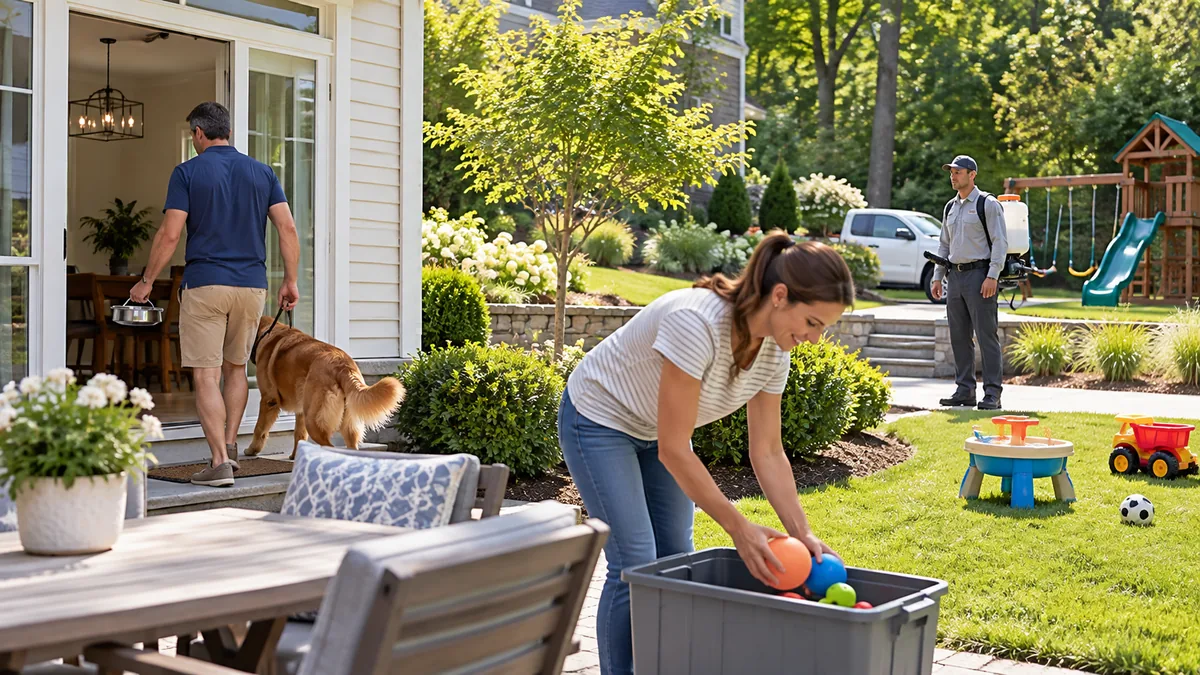
A good preparation routine also makes treatment more efficient. When toys, bowls, clutter, and outdoor food are moved before the technician arrives, the applicator can see the landscape, reach target vegetation, and avoid unnecessary contact with personal items.
Before the Technician Arrives: A Family-and-Pet Yard Checklist
| Before Service | Why It Matters | Simple Action |
| Children’s toys and play equipment | Loose toys can block access and create items you do not want sprayed. | Bring small toys, sports gear, ride-on toys and portable play items indoors or into closed storage. |
| Pet bowls, toys and bedding | EPA advises keeping pesticide products away from pet food and water areas. | Bring bowls, chew toys, beds and outdoor feeding items inside. |
| Pets and children | They should not be in the application area during treatment. | Plan indoor time, a walk away from the property, school/daycare timing, or another safe location. |
| Gates and access | Technicians need safe access to perimeter vegetation and target zones. | Unlock gates and point out areas that should not be treated. |
| Food and outdoor dining items | Food-contact items should not be exposed unnecessarily. | Clear tables, grills, utensils, pet feeding areas and outdoor snacks. |
| Special property features | Ponds, edible gardens, beehives, play zones and sensitive plantings may require special handling. | Tell the company before treatment so label restrictions and property-specific precautions can be followed. |
During Treatment: Keep the Application Zone Clear
Mosquito Stop notes that customers do not need to be home during routine service. That can make scheduling easier for households with children and pets, as long as the technician has access and knows about any special instructions.
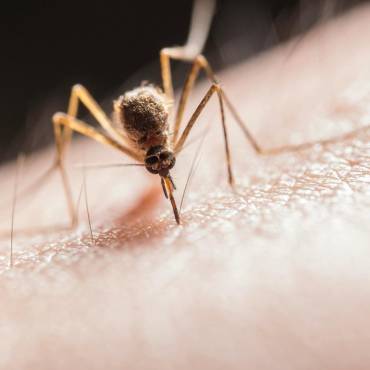
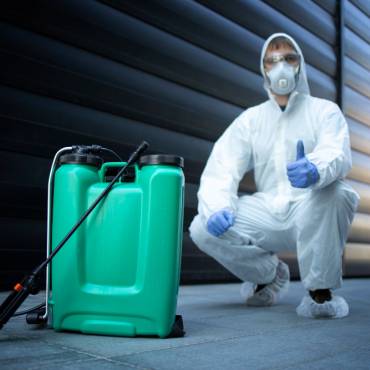
Professional mosquito treatment is typically directed toward the outdoor places mosquitoes rest—such as shrubs, trees, property edges, under decks and around sheds—rather than randomly spraying every open lawn surface. Its tick control service similarly focuses on leafy edges, stone walls, grass and shrubs where ticks are likely to be found.
Children and pets should stay out of treated zones while application is underway. Do not let a dog follow the technician around the yard, and do not allow children to retrieve a toy from a treatment area before re-entry has been cleared.
When Can Kids and Pets Go Back Outside?
The safest answer is: when the label and technician say re-entry is allowed. EPA recommends keeping children and pets away until the pesticide has dried or for the longer period stated on the label.
Mosquito Stop’s FAQ gives a general drying estimate of about 30 minutes for its described treatments. Weather, shade, humidity, product choice, vegetation, and application conditions can all affect drying, so use the provider’s completion notice and instructions rather than a kitchen timer.
Do not test dryness by touching treated foliage. Wait for the specified re-entry time or technician confirmation.
Keep doors closed while the yard is being treated so pets and small children cannot slip outside.
Return pet bowls and toys only after re-entry is permitted and they are placed on appropriate untreated or dry surfaces.
If rain starts before treated areas dry, contact the provider rather than making your own re-entry or re-treatment assumption.
Pet Safety Does Not End When the Yard Is Dry
Yard treatment can reduce tick pressure, but it should not replace the pet-specific prevention recommended by your veterinarian. The CDC advises checking pets for ticks every day after outdoor time and discussing preventive products with a veterinarian. Pets can become sick from tickborne diseases and can also carry ticks indoors.
Cats deserve special caution. CDC specifically warns that cats can be very sensitive to some chemicals used in pet tick products, so never apply a dog product—or any yard-control product—directly to a cat unless a veterinarian and the product label specifically support that use. Yard pesticides and veterinary flea/tick products are not interchangeable.
For a pet-friendly property routine, combine professional tick control with daily checks around ears, eyelids, collars, legs, toes and the tail area, plus veterinarian-recommended prevention.
What About “Natural” Mosquito and Tick Sprays?
Mosquito Stop offers a natural spray option made with plant-derived ingredients including cedar, rosemary, thyme and peppermint. That may fit households looking for a non-synthetic service option, but natural does not mean no precautions are necessary.
Any pesticide product should be used according to its label. Children, pets, food, water dishes, toys and sensitive areas still need to be handled according to application and re-entry instructions. The important comparison is not simply “natural versus chemical”; it is which registered or labeled product is appropriate for the target pest, property, schedule, and household preferences.
Layer Yard Treatment With Tick and Mosquito Prevention
A treated yard can lower pest pressure, but neither mosquito nor tick control should be treated as a force field. The CDC recommends a layered approach: reduce standing water, maintain the yard, use personal repellent when appropriate, check people and pets for ticks, and follow label instructions for pesticides.
Remove standing water weekly from buckets, toys, planters, birdbaths, pool covers and other containers.
Clear leaf litter and brush at yard edges where ticks can find humid shelter.
Keep recreation areas away from wooded edges when practical, especially play equipment and frequently used seating areas.
Check pets after outdoor time, even when the yard receives professional tick treatment.
Use EPA-registered personal repellents as directed when bite risk is high; yard spray does not replace personal protection.
What to Do If a Child or Pet Contacts a Wet Treated Area
If accidental contact occurs before the product is dry, avoid guessing. Move the child or pet away from the area, follow first-aid directions on the product label, and contact the service provider for the exact product information. For a child or adult with concerning exposure, call Poison Control at 1-800-222-1222 or seek emergency care when symptoms are severe. For a pet exposure, contact your veterinarian or an animal poison-control service and have the product label or treatment information available.
This is another reason to ask what product was applied and to keep service records. EPA emphasizes that labels contain first-aid directions, safety precautions, and contact information needed when an exposure question arises.
A Simple Routine for Treatment Day
Before service: bring in toys, pet items, food-contact items and anything that should not be exposed.
Tell the technician about special zones: gardens, ponds, play spaces, beehives, pet runs, or areas you do not want treated.
Keep children and pets away during application. You do not necessarily need to stay home if the property is accessible and instructions are clear.
Wait for re-entry guidance. Mosquito Stop’s FAQ describes treated areas as generally ready after drying, often around 30 minutes, but use the specific product and technician instructions.
Resume layered prevention: continue standing-water checks, tick checks, veterinary prevention and personal bite protection.
If you are comparing service options, review Mosquito Stop’s mosquito barrier spray, tick spray, and natural treatments, then request a property-specific recommendation based on how your family actually uses the yard.
Authoritative Resources
U.S. EPA – Ten Tips to Protect Children from Pesticides
U.S. EPA – Read the Label First: Protect Your Pets
CDC – Preventing Ticks on Pets
Mosquito Stop – Frequently Asked Questions
Note: This article provides general pest-control information. Always follow the product label and the licensed applicator’s instructions for preparation, re-entry, pets, children, sensitive areas, and first aid.
Frequently Asked Questions
Is mosquito yard spray safe for children and pets after it dries?
EPA advises keeping children and pets away during application and until the pesticide has dried or for the longer period required by the label. Mosquito Stop’s FAQ gives a general estimate of about 30 minutes for its services, but the specific label and technician instructions should control re-entry.
Should I remove dog toys and water bowls before mosquito treatment?
Yes. Bringing pet toys, bowls, bedding and feeding items inside keeps them out of the application area and follows the general EPA principle of keeping pesticides away from pet food and water. Return them after the treatment area is cleared for re-entry.
Do I still need tick prevention on my dog if my yard is treated?
Yes. CDC recommends daily tick checks for pets and veterinarian-guided preventive products. Yard treatment can reduce ticks in targeted areas but does not guarantee that a pet will never encounter a tick on the property, during walks, or elsewhere.